
Belgrade's Automobile Museum: Where Automotive History Meets Presidential Legacy
August 05, 2025

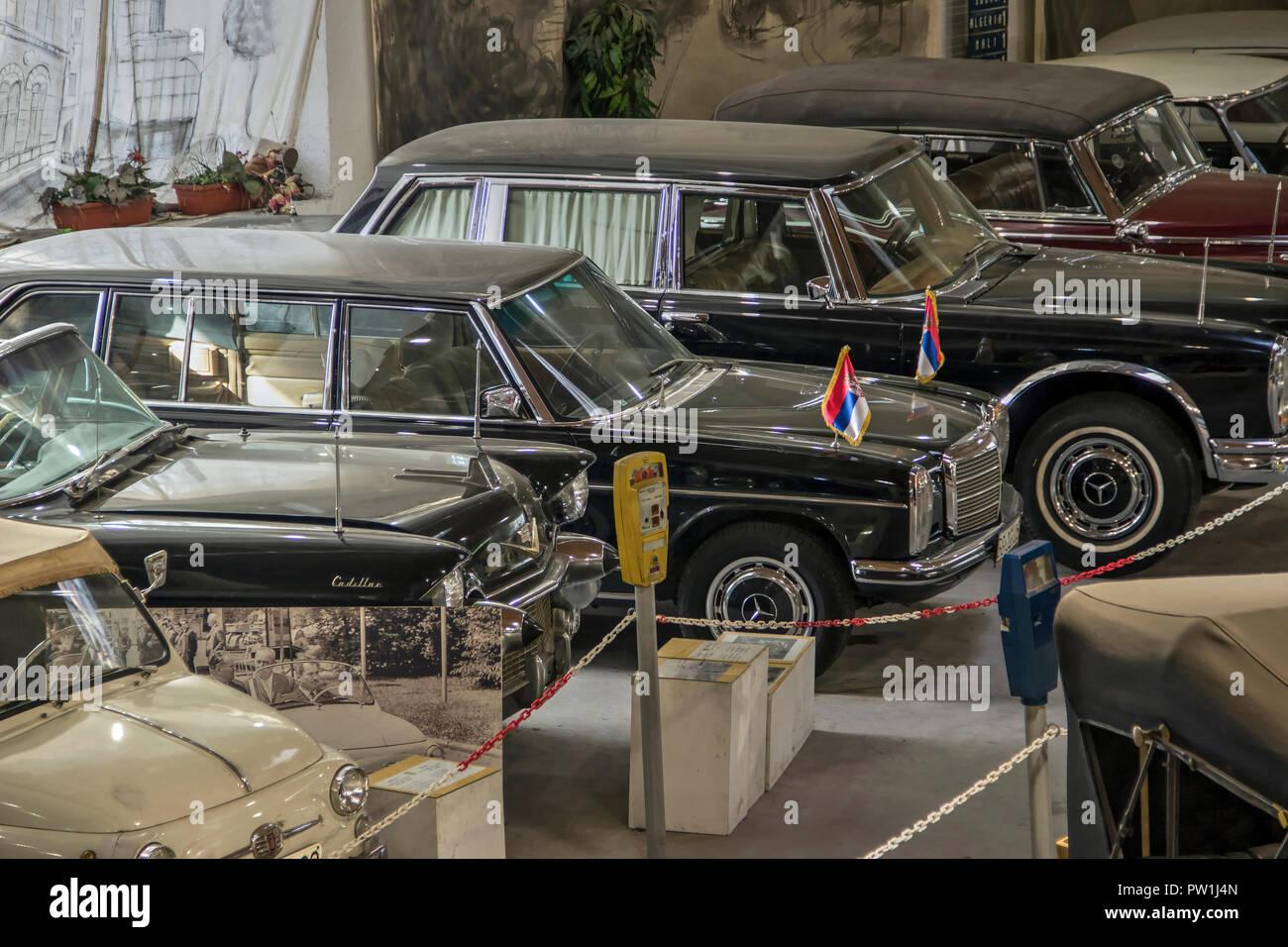
I spent about two hours exploring the fascinating collection of presidential vehicles, with Tito's personal Cadillac being the absolute highlight of my visit. The museum's location in Belgrade's first public garage added an unexpected layer of historical context to the automotive exhibits.
Step into the secret world of Yugoslav leadership through its most prized automobiles, where President Tito's meticulously preserved 1957 Cadillac tells a story beyond mere transportation. Discover how classic cars became powerful symbols of political prestige in the heart of Belgrade's automotive history.
Need-to-Know Info Before Visiting Automobile Museum
5+
images
Automobile Museum Address
Kralja Petra 12, 11000 Belgrade, Serbia
Automobile Museum Opening Hours
- 🕒 Tuesday-Sunday: 10 AM - 6 PM
- 🕒 Closed on Mondays
- 🕒 Last entry 30 minutes before closing
How to get to Automobile Museum
- 🚗 By car: Park at nearby public parking zones in city center
- 🚌 Public transport: Bus lines 24, 26, and 37 stop nearby
- 🚕 Rideshare: Uber and local taxi services available
What is Automobile Museum known for?
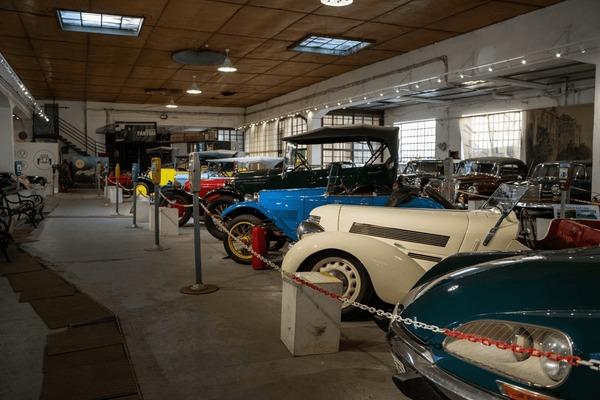
- Located in Belgrade's first public garage, housing a unique collection of historic vehicles
- Features President Tito's personal 1957 Cadillac convertible with only 25,000 km
- Displays numerous classic Mercedes-Benz models from Yugoslavia's presidential era
What is Automobile Museum in Belgrade?
Belgrade's Automobile Museum sits at the crossroads of automotive history and Yugoslav heritage, tucked away in the city's historic center. Automotive enthusiasts and history buffs find themselves drawn to this compact museum, which showcases a remarkable collection of vehicles that tell the story of transportation in Serbia and beyond. The museum's centerpiece is President Tito's personal 1957 Cadillac convertible - a gleaming testament to mid-20th century presidential style with just 25,000 kilometers on the odometer. Tourists and locals alike crowd around displays of classic Mercedes-Benz models that once belonged to Yugoslavia's political elite, creating a unique snapshot of automotive and political history. While not a massive museum, it packs a punch with carefully curated exhibits that transform a simple car collection into a narrative of technological progress and political change. International visitors appreciate the museum's intimate setting, which allows for close-up views of rare vehicles that would typically be roped off in larger institutions. Weekend crowds tend to be steady, with photography enthusiasts and car lovers snapping detailed shots of meticulously preserved classic automobiles that represent different eras of Yugoslav transportation.
Top things to do at Automobile Museum
- Examine President Tito's pristine 1957 Cadillac convertible, a rare vehicle with only 25,000 kilometers driven
- Explore the collection of classic Mercedes-Benz models that once belonged to Yugoslav political leaders
- Learn about Belgrade's automotive history through the museum's exhibits in the city's first public garage
- Take photographs of rare vintage motorcycles and cars from different historical periods
- Compare automotive design evolution from early 20th-century models to mid-century Yugoslav transportation
- Check out special exhibits showcasing the technological and design progression of vehicles in the Balkan region
Tickets and Pricing
The Automobile Museum offers affordable entry for both locals and tourists. Standard adult tickets cost around 500 Serbian dinars (approximately 4-5 euros). Student and senior discounts are available with valid identification. Group rates are offered for parties of 10 or more visitors. Online ticket booking is recommended during peak tourist seasons to guarantee entry and avoid potential queues.
Cultural Significance
The Automobile Museum represents more than a collection of vehicles - it's a living archive of Yugoslav transportation history. By preserving vehicles owned by political leaders like President Tito, the museum offers insights into the technological and political landscape of mid-20th century Yugoslavia. The museum serves as a cultural bridge, connecting contemporary Serbia with its complex historical narrative through automotive heritage.
History of Automobile Museum
- 1950s: First discussions about creating a dedicated automobile collection in Belgrade
- 1960s: Initial gathering of significant vehicles from Yugoslav political and industrial circles
- 1980s: Formal establishment of the museum in Belgrade's first public garage
- 2000s: Expanded collection to include more international and vintage automobile models
- 2020: Considerations for relocating near Staro Sajmište area to accommodate growing collection
Tips for Visitors
- Allocate 1-2 hours for a comprehensive museum tour
- Photography is permitted, but flash is discouraged
- Wear comfortable walking shoes
- Check museum website for potential temporary exhibition changes
- English audio guides are available for international visitors
- The museum has limited wheelchair accessibility - call ahead to confirm
What are some interesting facts about Automobile Museum?
- The museum's Tito-owned Cadillac has fewer miles than most modern cars, with just 25,000 kilometers driven during its entire presidential service
- Some vehicles in the collection were personal gifts to Yugoslav political leaders, making them diplomatic artifacts as much as automotive exhibits
- The museum is housed in Belgrade's first public garage, adding historical context beyond just the vehicles themselves