
Church of Saint Sava: A Monumental Byzantine Marvel in Belgrade
July 07, 2025

I spent nearly three hours exploring the Church of Saint Sava, mesmerized by its massive 70-meter dome and intricate ongoing mosaic project. The gold-ceilinged crypt with its ornate chandeliers and the church's proximity to Belgrade's city center made it an unforgettable cultural experience.
Where Ottoman brutality meets Serbian spiritual resilience, the Church of Saint Sava rises as a monumental testament built on the exact site where Saint Sava's relics were burned. Discover the world's second-largest Orthodox church, where every stone tells a story of survival and national pride.
Need-to-Know Info Before Visiting Church of Saint Sava


5+
images
Church of Saint Sava Address
Vracar Plateau, Belgrade, Serbia - Svetosavski Trg 1
Church of Saint Sava Opening Hours
- 🕒 Summer (April-October): 7 AM - 8 PM daily
- 🕒 Winter (November-March): 7 AM - 6 PM daily
- 🕒 Free entry for worship services
How to get to Church of Saint Sava
- 🚗 By car: Parking available on Svetosavski Trg
- 🚌 Public transport: Tram lines 2, 7, and 9 stop nearby
- 🚕 Rideshare: Uber and local taxi services widely available
What is Church of Saint Sava known for?
- Largest Orthodox church in the Balkans and second-largest worldwide
- Built on the site where Ottoman Turks burned Saint Sava's relics
- Massive 70-meter central dome with ongoing mosaic decoration project
- Stunning gold-ceilinged crypt with intricate Murano glass mosaics
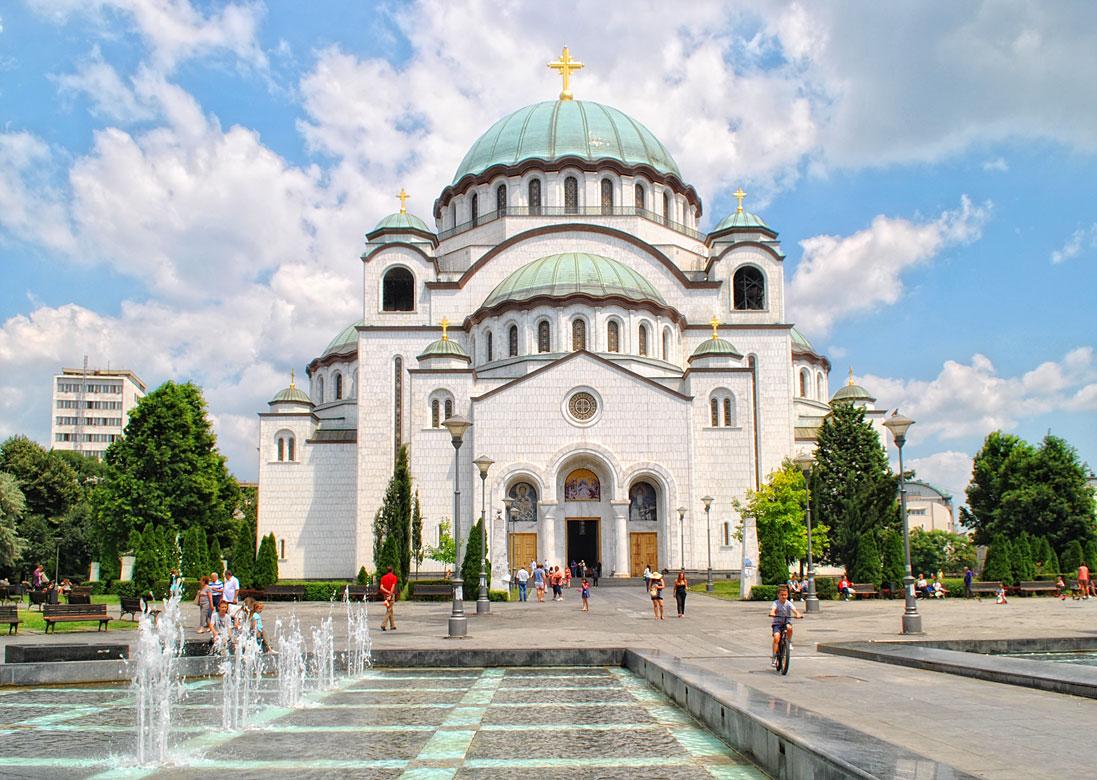
- Byzantine-revival architectural style dominating Belgrade's skyline
What is Church of Saint Sava in Belgrade?
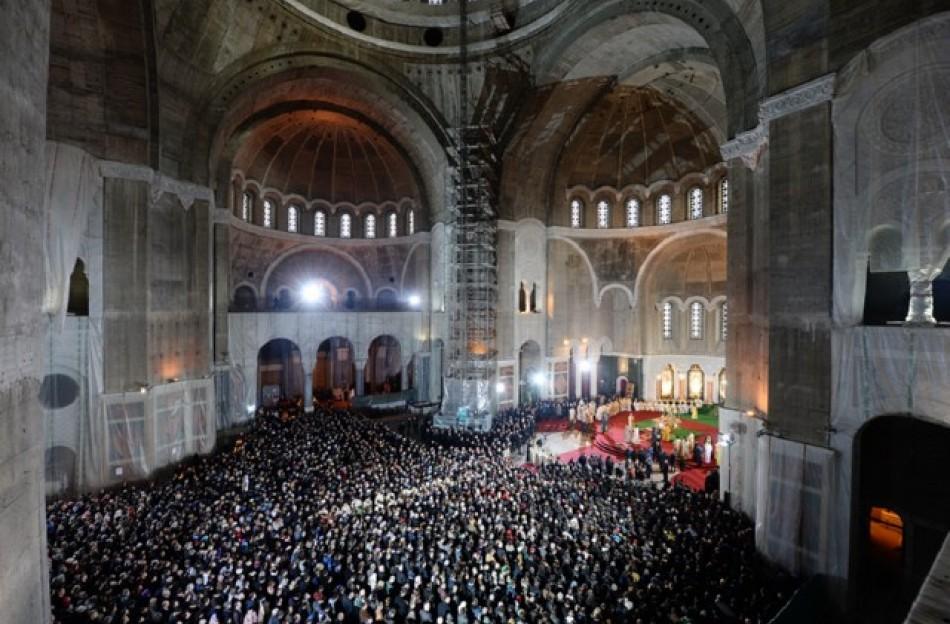
Towering over Belgrade's skyline, Church of Saint Sava stands as a colossal testament to Serbian Orthodox heritage and architectural ambition. This massive 20th-century landmark dominates the Vracar Plateau, drawing thousands of tourists and worshippers annually with its enormous 70-meter central dome. Travelers typically spend 1-2 hours exploring its immense interior, which features an ongoing mosaic project covering 1,248 square meters - one of the world's largest curved surface mosaics. Built on the historic site where Ottoman Turks burned Saint Sava's relics, the church represents more than a religious structure - it's a powerful symbol of Serbian cultural resilience. Photographers and architecture enthusiasts gravitate toward its Byzantine-revival design, which can be seen from miles away, making it an essential stop for anyone visiting Belgrade. The church's gold-ceilinged crypt, adorned with ornate chandeliers and intricate Murano glass mosaics, offers visitors a glimpse into Serbia's rich artistic and religious traditions. While construction continues, the landmark remains accessible and continues to be a centerpiece of Belgrade's cultural landscape.
Top things to do at Church of Saint Sava
- Explore the gold-ceilinged crypt with its stunning Murano glass mosaics and ornate chandeliers
- Watch ongoing mosaic installation on the church's massive 1,248-square-meter cupola
- Climb to the top of the 70-meter central dome for panoramic views of Belgrade's skyline
- Attend a Serbian Orthodox service to experience authentic religious traditions
- Take a guided tour to learn about the church's historical significance and architectural details
- Photograph the Byzantine-revival architectural elements, especially the intricate exterior design
- Visit the church museum to see artifacts related to Saint Sava and Serbian Orthodox history
Tickets and Entry
Entry to Church of Saint Sava is free for visitors, though donations are welcome. Guided tours cost approximately 500-1000 Serbian dinars (€4-8). Group tours can be booked in advance through the church's official website. Photography is permitted inside the church, but flash photography is restricted to protect the ongoing mosaic work.
Dress Code
As an active Orthodox church, visitors must dress respectfully. Shoulders and knees should be covered. Men should remove hats inside the church. Women are recommended to bring a light scarf to cover their heads during services. Shorts, tank tops, and revealing clothing are not permitted.
History of Church of Saint Sava
- 1219: Saint Sava establishes the Serbian Orthodox Church
- 1594: Ottoman Turks burn Saint Sava's relics at this location
- 1894: First proposals to build a memorial church on Vracar Plateau
- 1935: Construction officially begins after decades of planning
- 1989: Exterior structure completed after multiple interruptions
- 2004: Interior work begins on massive mosaic project
- 2020: Ongoing interior decoration and mosaic installation continues
Cultural Significance
Church of Saint Sava represents more than a religious building - it's a national symbol of Serbian Orthodox identity and cultural resilience. The church commemorates Saint Sava, a medieval monk considered the founder of the Serbian Orthodox Church and a key figure in Serbian national history. Its location marks the spot where Ottoman authorities burned Saint Sava's remains, transforming a site of historical trauma into a powerful monument of national pride.
Tips for Visitors
- Visit during morning hours for fewer crowds and better lighting
- Allocate at least 2 hours to fully explore the church and crypt
- Check service times if interested in attending a religious ceremony
- Bring comfortable walking shoes for exploring multiple levels
- Consider hiring a local guide to understand historical details
- Bring water and snacks, as nearby dining options are limited
What are some interesting facts about Church of Saint Sava?
- The church's mosaic project is so massive that it will take an estimated 40 years to complete the entire interior decoration
- During World War II, the church's construction was completely halted, and the site was used for military purposes
- The church's location on Vracar Plateau is considered sacred because it marks the spot where Ottoman Turks burned Saint Sava's relics, transforming a site of historical trauma into a symbol of national resilience