
Ethnographic Museum: Serbia's Cultural Treasure in Belgrade
June 11, 2025

I spent almost three hours exploring the incredible collection of Serbian traditional costumes and artifacts, losing track of time in the meticulously curated exhibits. The museum is conveniently located near Belgrade University, making it easy to combine with other city attractions like Studentski Trg and the National Museum.
Step into a time machine of Serbian cultural heritage where thousands of traditional artifacts tell stories forgotten by modern generations. Uncover the hidden narratives of rural life through clothing, tools, and crafts that have survived centuries of change.
Need-to-Know Info Before Visiting Ethnographic Museum
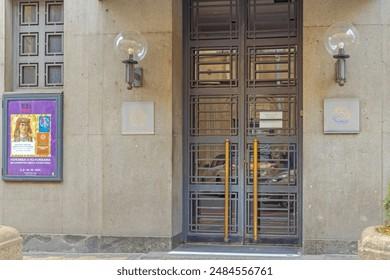
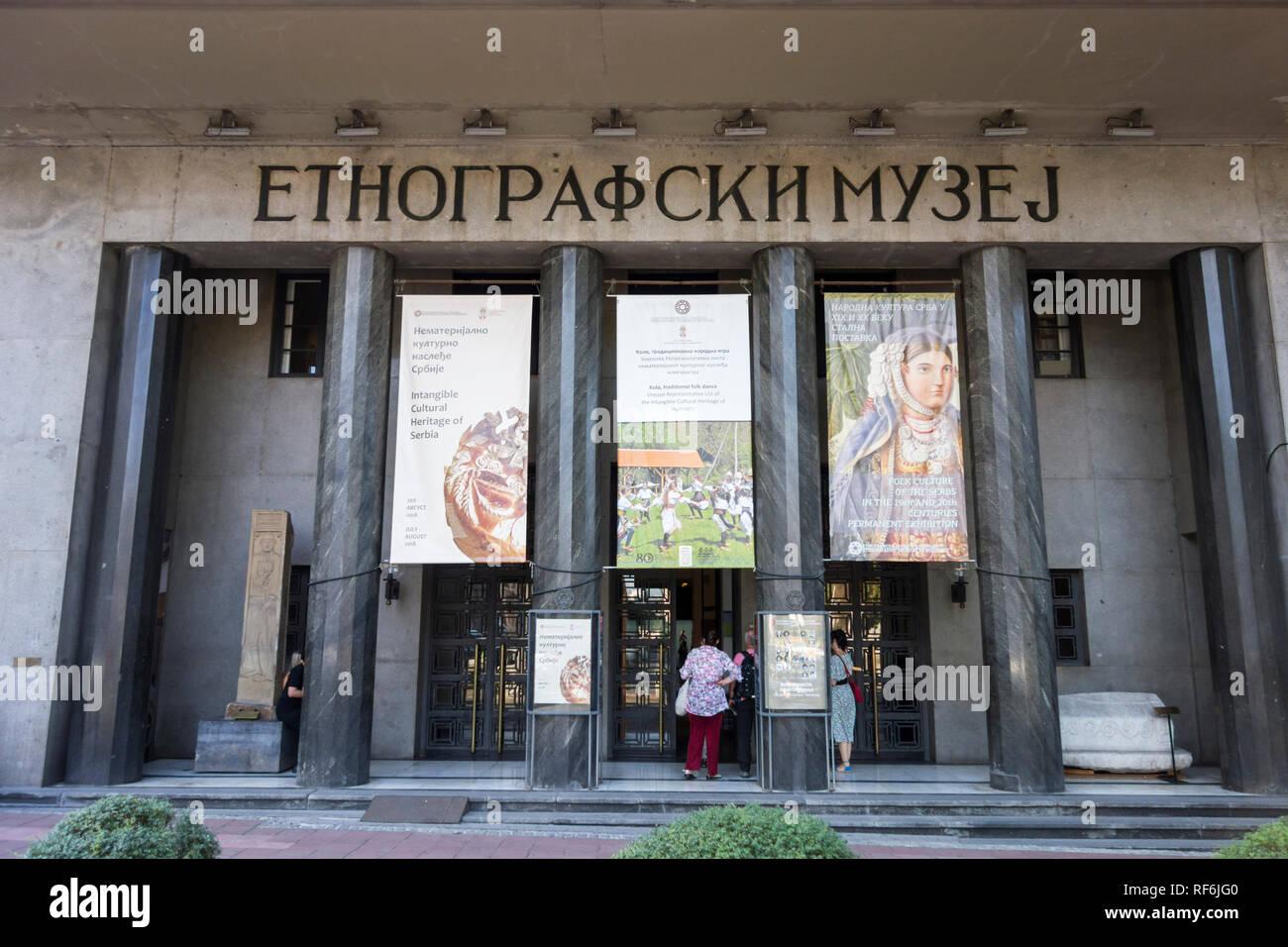
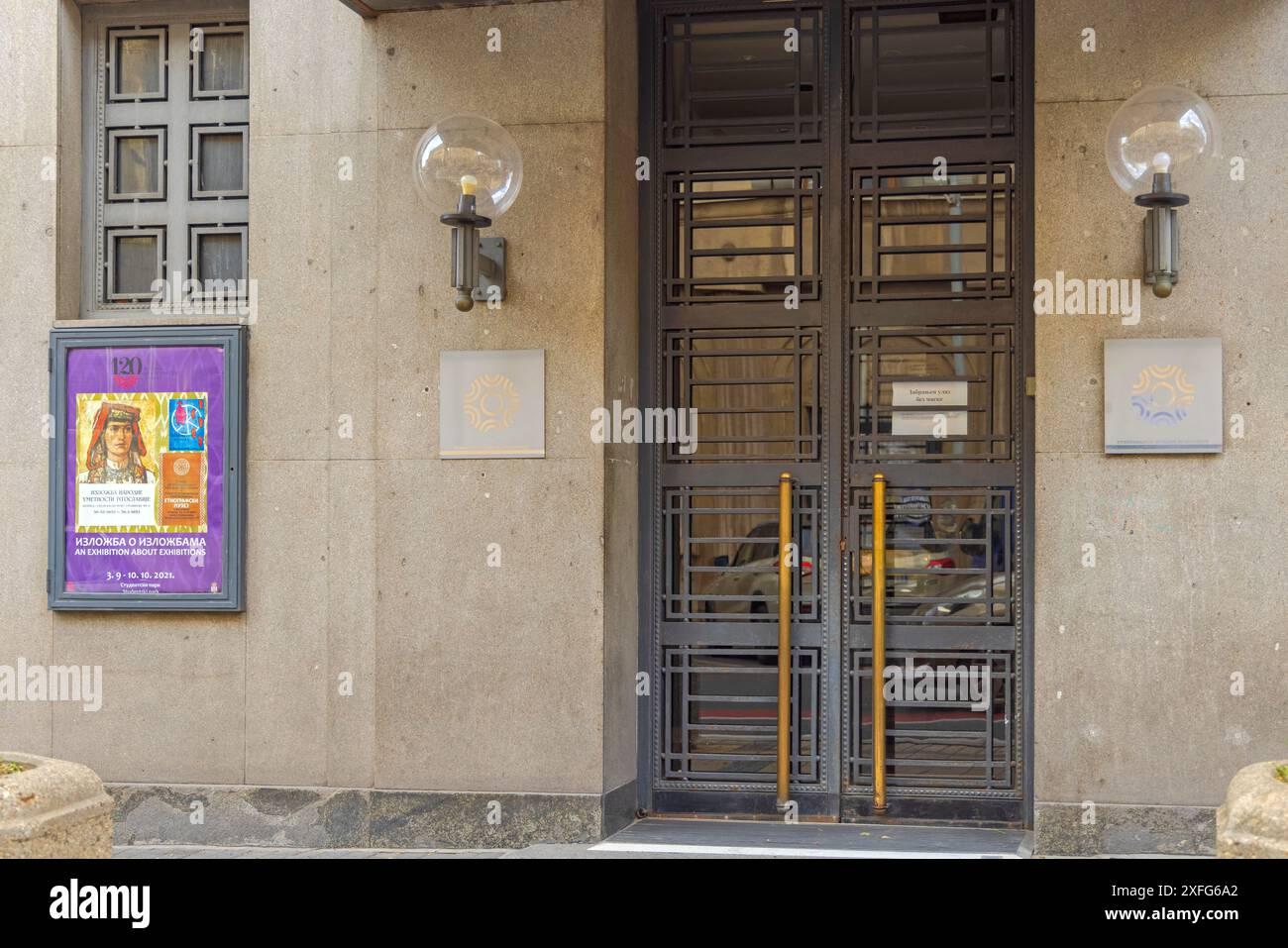
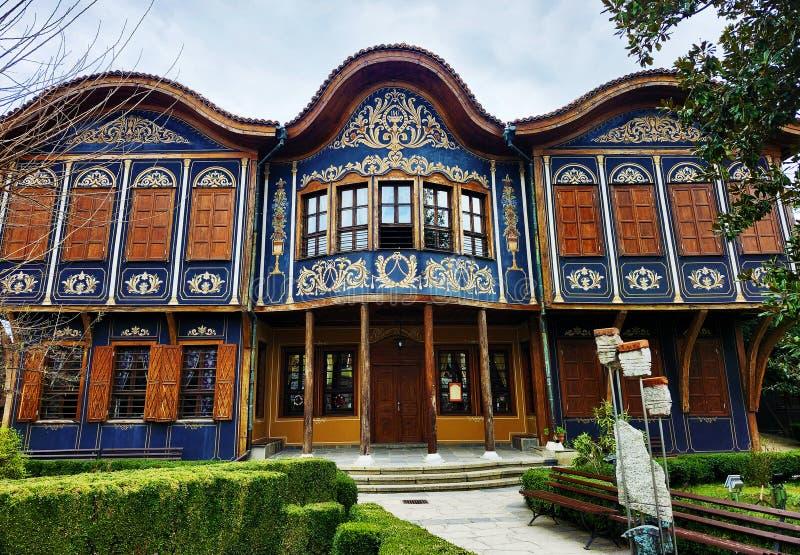
5+
images
Ethnographic Museum Address
Studentski Trg 13, 11000 Belgrade, Serbia
Ethnographic Museum Opening Hours
- 🕒 Tuesday-Sunday: 10 AM - 6 PM
- 🕒 Closed on Mondays
- 🕒 Last entry: 30 minutes before closing
How to get to Ethnographic Museum
- 🚗 By car: Park nearby at Studentski Trg parking area
- 🚌 Public transport: Tram lines 2, 5, 10 stop at Studentski Trg
- 🚕 Rideshare: Uber and local taxi services widely available
What is Ethnographic Museum known for?
- Largest collection of traditional Serbian folk costumes in the country
- Exhibits showcasing rural life, crafts, and cultural practices from different Serbian regions
- Rare collection of traditional jewelry, weapons, and household items dating back to the 19th century
- Comprehensive displays explaining Serbia's cultural diversity and historical migrations
What is Ethnographic Museum in Belgrade?
Tucked away in the heart of Belgrade, the Ethnographic Museum stands as a gateway to Serbia's rich cultural tapestry. This landmark attracts thousands of international travelers each year, offering an unfiltered look into Serbian rural life and traditions. Visitors can explore over 200,000 artifacts spread across multiple exhibition halls, making it one of the most comprehensive cultural repositories in the Balkans. The museum transforms traditional artifact display into storytelling, with carefully curated collections that trace Serbian communities' evolution from the 19th century to modern times. Travelers typically spend 2-3 hours exploring exhibits showcasing traditional clothing, household tools, musical instruments, and intricate handicrafts that reveal the depth of Serbian cultural heritage. Located near Belgrade University, the museum draws both academic researchers and curious tourists seeking to understand Serbia beyond typical tourist experiences. Its location makes it easily accessible, with tram and bus routes stopping directly in front of the building, ensuring travelers can seamlessly include this cultural destination in their Belgrade itinerary.
Top things to do at Ethnographic Museum
- Explore the permanent exhibition of traditional Serbian folk costumes, featuring over 3,000 meticulously preserved outfits from different regions and historical periods
- Check out the rotating temporary exhibitions that showcase specific cultural themes like traditional crafts, wedding customs, or rural life in Serbia
- Visit the museum's research library with rare ethnographic books and manuscripts, offering deep insights into Serbian cultural anthropology
- Participate in hands-on workshops demonstrating traditional Serbian crafts like weaving, embroidery, and pottery (seasonal availability)
- Examine the extensive collection of traditional musical instruments, including rare folk instruments used in rural Serbian communities
- Browse the museum gift shop for authentic Serbian handicrafts, traditional textiles, and ethnographic books as unique souvenirs
Tickets for Ethnographic Museum
Adult tickets cost 500 Serbian dinars (approximately €4.50). Students and seniors receive a 50% discount. Online ticket purchases are available through the museum's official website, offering a convenient way to skip entrance lines. Guided tour packages start at 1,000 dinars and include detailed explanations of exhibits. The museum offers free entry on the first Sunday of each month.
History of Ethnographic Museum
- 1901: First established as part of the National Museum of Serbia
- 1923: Became an independent institution focusing specifically on ethnographic collections
- 1948: Moved to its current location in central Belgrade after World War II
- 1970: Significantly expanded collection with major acquisitions from rural Serbian regions
- 2000: Completed major renovation and modernization of exhibition spaces
- 2015: Digital archiving project launched to preserve and digitize rare artifacts
Cultural Significance
The Ethnographic Museum represents a critical repository of Serbian cultural memory. It preserves traditional practices, crafts, and social structures that define Serbian national identity. By documenting rural life, clothing, and customs, the museum provides insights into how Serbian communities maintained cultural continuity through periods of significant political and social change.
Tips for Visitors
- Allow 2-3 hours for a comprehensive museum tour
- Photography permitted with a small additional fee
- Free audio guides available in English, Serbian, and German
- Wear comfortable walking shoes as exhibits span multiple floors
- Nearest restrooms located on the ground and second floors
- Accessibility ramps available for visitors with mobility challenges
What are some interesting facts about Ethnographic Museum?
- The museum's collection includes traditional Serbian clothing from over 100 different regions, with some costumes dating back to the early 19th century
- One of the museum's most unique artifacts is a complete wedding outfit from a remote mountain village, which has never been worn and represents a perfect preservation of traditional craftsmanship
- The museum houses a secret archive of ethnographic research collected during dangerous expeditions in hard-to-reach Serbian mountain regions during the 1930s, including interviews and photographs that were almost lost to history