
Museum of Contemporary Art: Belgrade's Art Treasure
June 17, 2025

I spent nearly three hours exploring the museum's extraordinary collection of Yugoslav contemporary art, with Marina Abramović's video installation being the absolute highlight of my visit. The surrounding sculpture park and views of Belgrade Fortress made this museum more than just an art experience - it was a deep dive into the region's complex cultural history.
Where radical art meets political transformation, Belgrade's Museum of Contemporary Art tells stories that most history books never mention. Step inside a 1960s modernist building to uncover the untold narratives of Yugoslav creativity and resistance.
Need-to-Know Info Before Visiting Museum of Contemporary Art


5+
images
Museum of Contemporary Art Address
Ulica Jasna Jovanovica 6, 11000 Belgrade, Serbia
Museum of Contemporary Art Opening Hours
- 🕒 Tuesday-Sunday: 10:00 AM - 6:00 PM
- 🕒 Closed on Mondays
- 🕒 Last entry: 30 minutes before closing
How to get to Museum of Contemporary Art
- 🚗 By car: Park near Belgrade Fortress, short walk
- 🚌 Public transport: Bus lines 24, 26, 37 stop nearby
- 🚕 Rideshare: Uber and local taxi services available
What is Museum of Contemporary Art known for?
- Houses extensive collection of 20th-century Yugoslav art
- Features works by Marina Abramović, famous performance artist
- Dedicated section exploring Zenitism art movement
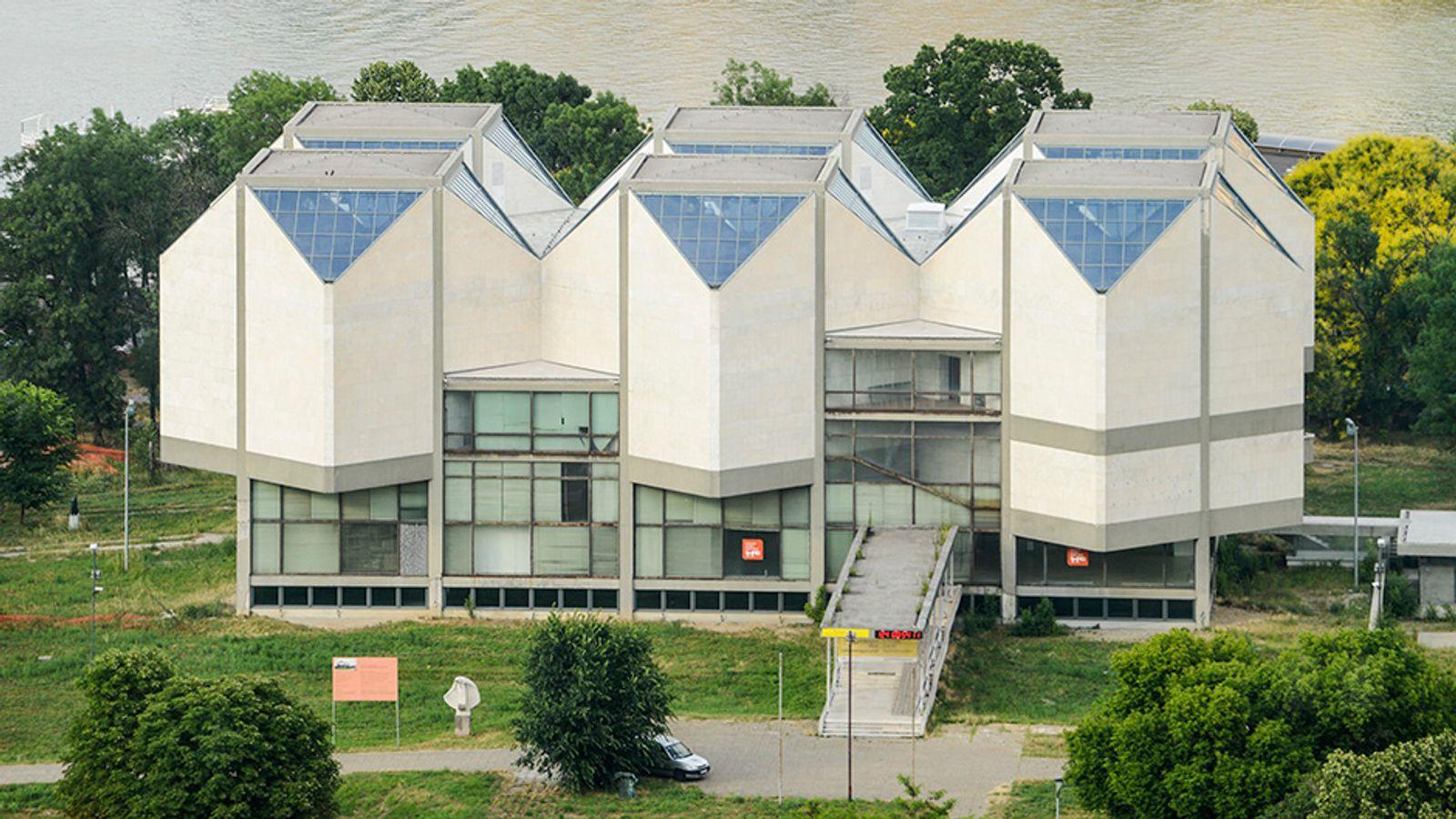
- Modern 1960s concrete-and-glass architectural design
- Surrounding sculpture park with river views
What is Museum of Contemporary Art in Belgrade?
Tucked away in Belgrade's urban landscape, the Museum of Contemporary Art stands as a gateway to understanding Yugoslavia's complex artistic heritage. Art enthusiasts and curious travelers gravitate to this 1960s concrete-and-glass building, which tells stories of regional creativity through its extensive collection. The museum attracts thousands of international visitors annually, offering a deep dive into Serbian and Yugoslav art movements that shaped cultural narratives during dramatic political transitions. Positioned near the Belgrade Fortress with panoramic river views, the museum transforms how travelers understand the artistic dialogue of southeastern Europe. Its architectural design mirrors the bold conceptual art inside - clean lines, minimal structure, and purposeful spaces that showcase works by artists like Marina Abramović, whose groundbreaking performance art originated in this region. Visitors can explore dedicated sections highlighting the Zenitism art movement, examine multimedia installations, and experience a curated journey through 20th-century artistic expressions that challenge traditional storytelling. The surrounding sculpture park adds another layer of engagement, allowing guests to connect visual narratives between indoor exhibitions and outdoor spaces.
Top things to do at Museum of Contemporary Art
- Watch Marina Abramović's groundbreaking 1970s performance art video Freeing the Memory, a landmark piece of conceptual art
- Explore the dedicated section on Zenitism, the 1920s Yugoslav avant-garde art movement that challenged traditional artistic perspectives
- Walk through the surrounding sculpture park and enjoy panoramic views of Belgrade Fortress and the Sava River
- Examine multimedia installations documenting the artistic transitions of ex-Yugoslav cultural spaces during the 20th century
- Discover rare conceptual art pieces that represent significant moments in Serbian and Yugoslav artistic movements
- Visit the museum's gift shop to purchase art books, prints, and unique souvenirs documenting contemporary Serbian art history
Tickets for Museum of Contemporary Art
Adult tickets cost around 500 Serbian dinars (approximately €4.50). Students and seniors receive a 50% discount. Online tickets can be purchased through the museum's official website, offering a small convenience discount. Guided tours are available for an additional 200 dinars. During summer months, combined tickets with nearby cultural attractions offer better value for tourists exploring Belgrade's art scene.
History of Museum of Contemporary Art
- 1958: Initial plans for establishing a contemporary art museum in Belgrade begin
- 1965: Museum officially founded to showcase modern Yugoslav art
- 1990s: Significant collection expansion during the post-Yugoslav transition period
- 2007: Major renovation of the museum's original 1960s modernist building
- 2017: Comprehensive restoration project completed, modernizing exhibition spaces
- 2020: Digital archiving project launched to preserve ex-Yugoslav artistic heritage
Cultural Significance
The Museum of Contemporary Art represents more than an art collection-it's a narrative of Serbian and Yugoslav cultural identity. Through its exhibitions, the museum tells the story of artistic resistance, political transformation, and cultural evolution during the 20th century. It serves as a critical platform for understanding the complex social dynamics of southeastern Europe through artistic expression.
Tips for Visitors
- Allocate at least 2-3 hours for a comprehensive museum experience
- Free guided tours available in English on weekends
- Photography permitted in most exhibition areas (without flash)
- Museum café offers traditional Serbian coffee and light snacks
- Accessibility ramps and elevators available for visitors with mobility challenges
- Check website for temporary exhibitions and special events before visiting
What are some interesting facts about Museum of Contemporary Art?
- The museum's archive contains over 35,000 artworks, with the largest collection of Marina Abramović's early performance art documentation
- During Yugoslavia's cultural peak, artists would exchange works directly with the museum as a form of cultural diplomacy
- The museum's concrete-and-glass structure was considered radical architecture in the 1960s, challenging traditional museum design in Eastern Europe