
Museum of Yugoslavia: Uncover Yugoslavia's Complex History
August 02, 2025

I spent nearly three hours exploring the museum's extensive collections, finding the personal artifacts of Josip Broz Tito particularly fascinating. The free weekend tours in English provided incredible context about Yugoslavia's complex history, and the House of Flowers was a deeply moving experience.
Step into the secret world of Yugoslavia through a museum that preserves the untold stories of a country that no longer exists. Discover how 200,000 artifacts reveal the personal and political drama behind one of Europe's most misunderstood nations.
Need-to-Know Info Before Visiting Museum of Yugoslavia
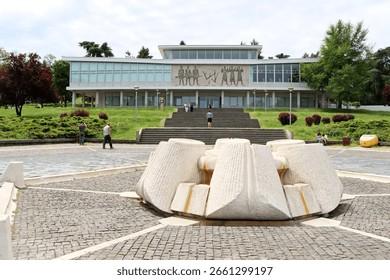
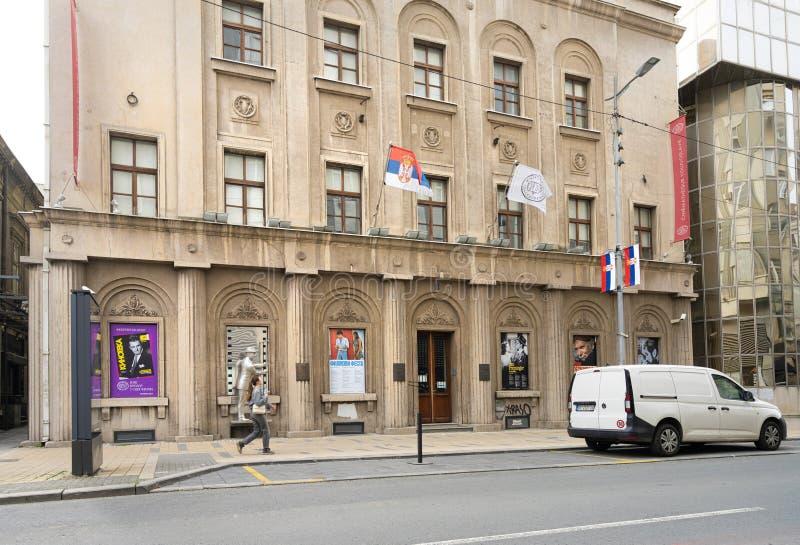
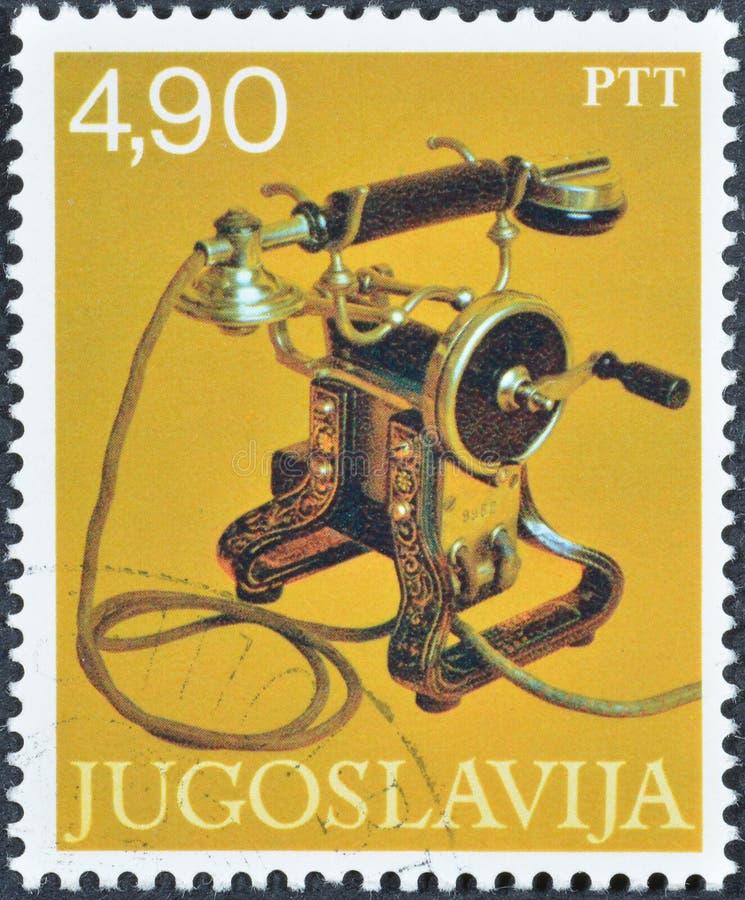
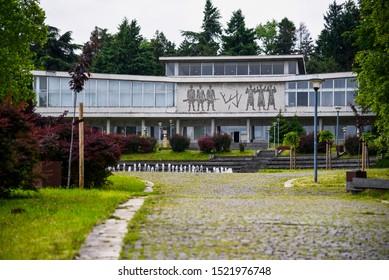
5+
images
Museum of Yugoslavia Address
Botićev venac 4a, 11000 Belgrade, Serbia
Museum of Yugoslavia Opening Hours
- 🕒 Tuesday-Sunday: 10:00 AM - 6:00 PM
- 🕒 Closed on Mondays
- 🕒 Last entry 30 minutes before closing
How to get to Museum of Yugoslavia
- 🚗 By car: Park near Tašmajdan Park, 5-minute walk
- 🚌 Public transport: Trolleybus 40 and 41, stop at Kuća Cveća
- 🚕 Rideshare: Uber and local taxi services widely available
What is Museum of Yugoslavia known for?
- Houses over 200,000 artifacts documenting Yugoslavia's complex political history
- Features Josip Broz Tito's mausoleum (House of Flowers) on museum grounds
- Most visited museum in Serbia with 120,000 annual visitors
- Exhibits include historical documents, photographs, weapons, and personal artifacts from Yugoslavia's era
What is Museum of Yugoslavia in Belgrade?
The Museum of Yugoslavia stands as Serbia's most visited museum, attracting 120,000 visitors annually with its deep dive into the complex political landscape of former Yugoslavia. Located in Belgrade, this public history museum transforms historical artifacts into storytelling experiences, housing over 200,000 artifacts that chronicle the rise, transformation, and eventual dissolution of Yugoslavia. Visitors can explore exhibits spanning the Kingdom of Yugoslavia and Socialist Yugoslavia, with a particular focus on the life and legacy of President Josip Broz Tito. The museum complex includes three key buildings: the May 25 Museum, the House of Flowers (Tito's mausoleum), and the Old Museum, each offering unique perspectives on Yugoslavia's intricate history. Weekend visitors can join free English and Serbian language tours, making historical insights accessible to international travelers. Photography enthusiasts will find rich documentary materials, including rare photographs, historical documents, films, and personal artifacts that paint a nuanced picture of a country that no longer exists but continues to fascinate historians and tourists alike.
Top things to do at Museum of Yugoslavia
- Visit Tito's Mausoleum (House of Flowers) and explore the personal living quarters and final resting place of Yugoslavia's most famous leader
- Join weekend free guided tours in English (11 AM) or Serbian (12 PM) to gain deeper insights into Yugoslavia's complex history
- Explore the May 25 Museum building, recently renovated, featuring extensive collections of historical photographs, documents, and artifacts
- Check out the permanent exhibition documenting the life and political career of Josip Broz Tito, including personal items and political memorabilia
- Browse the museum's collection of over 200,000 artifacts, including rare historical documents, films, weapons, and cultural treasures from the Yugoslav era
- Attend special temporary exhibitions that provide context to Yugoslavia's socio-political transformation and historical significance
Tickets for Museum of Yugoslavia
Adult tickets cost approximately 500 RSD (around €4). Students and seniors receive discounts. Online booking recommended during peak tourist season. Free entry for children under 7. Ticket includes access to all museum buildings, including Tito's Mausoleum. Weekend tours in English are included with standard ticket price.
History of Museum of Yugoslavia
- 1962: Memorial Center Josip Broz Tito established
- 1996: Museum of Yugoslav History officially formed
- 2016: Renamed to Museum of Yugoslavia
- 2017-2018: Major renovations of May 25 Museum building
- 2019: Expanded permanent exhibitions on Yugoslav history
- 2020-2021: Digital archiving of historical collections initiated
Tips for Visitors
- Book English tours in advance via email
- Weekend free tours at 11 AM (English) and 12 PM (Serbian)
- Allocate 2-3 hours for complete museum exploration
- Photography permitted in most exhibition areas
- Comfortable walking shoes recommended
- Bring water and light snacks
- Nearest restrooms located in the House of Flowers building
Cultural Significance
The Museum of Yugoslavia represents a critical repository of historical memory, preserving the complex narrative of Yugoslavia's political and social transformation. It serves as a neutral ground for understanding the country's intricate past, offering insights into the rise and fall of a unique political experiment that shaped Southeast European history.
What are some interesting facts about Museum of Yugoslavia?
- The museum's original collections were intentionally preserved despite attempts to erase Yugoslavia's historical memory, making it a unique archive of a disappeared country
- Tito's personal items in the museum include gifts from world leaders like Nehru and Indira Gandhi, showcasing Yugoslavia's significant non-aligned movement role
- Some artifacts in the museum were donated by citizens who wanted to preserve their personal histories, creating a grassroots historical record beyond official narratives